RCM certification is a compliance certification for electrical and electronic products jointly implemented by Australia and New Zealand, and also a core access certificate for wireless microphones to enter the markets of the two countries. This certification integrates electrical safety, electromagnetic compatibility (EMC) and radio frequency compliance requirements, replacing the previous scattered certification system in the region, and has become an important standard for judging whether audio radio frequency equipment can be legally circulated.
As audio equipment equipped with radio frequency modules, wireless microphones must comply with the special specifications of Australia and New Zealand in terms of operating frequency band, signal radiation and electrical safety performance. Therefore, RCM certification is not a simple procedural review, but a comprehensive verification of the core performance of products. During the certification process, products need to complete multiple tests in accordance with AS/NZS series standards, which not only ensure the electrical safety of the equipment itself to avoid hidden dangers such as electric leakage and overheating, but also control the intensity of electromagnetic interference to prevent signal impact on surrounding electronic equipment. At the same time, the radio frequency band must strictly match the range allowed for local use to eliminate frequency band violations.
When applying for RCM certification for wireless microphones, enterprises need to entrust a third-party institution accredited by Australia and New Zealand, submit materials such as product design drawings, technical parameters and model specifications, complete laboratory tests and issue qualified reports before completing compliance filing and marking the RCM logo on the product body and packaging.
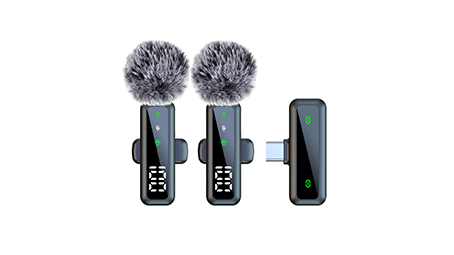
Wireless microphones that have not passed RCM certification will not only fail to complete customs clearance at Australian and New Zealand ports, but also face penalties such as cargo detention and fines. Even if they luckily flow into the market, they will be ordered to be removed from shelves by regulatory authorities, directly damaging brand reputation and overseas business layout.
For manufacturers laying out the Australian and New Zealand audio markets, planning the RCM certification process in advance and optimizing product parameters to adapt to local standards are the keys to reducing trade risks and smoothly expanding overseas markets. Completing compliance certification can not only meet local regulatory requirements, but also enhance the competitiveness of products in overseas markets, and build a solid compliance foundation for the cross-border circulation of wireless microphones.